


Blog
How to Become a CCTV Operator in the UK in 2026

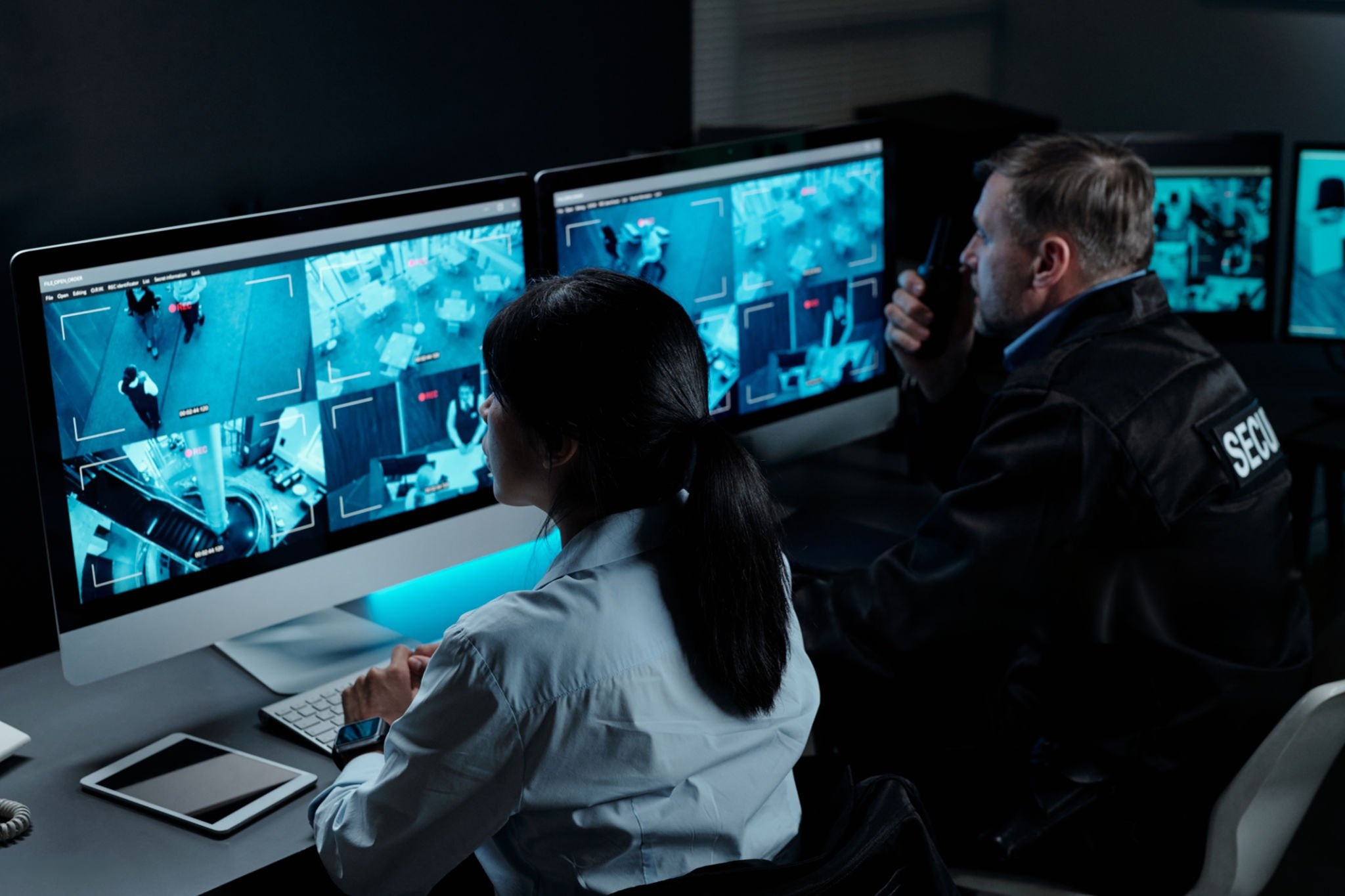
One of the reasons why qualified operators are still in demand throughout the UK is that it’s their responsibility. There are millions of CCTV cameras in operation across the country, and there is strong interest in jobs in public safety, transport security, and commercial applications, making CCTV operator a realistic career that does not require a university degree.
The way is also very simple, too. You can train for these jobs in as little as three days, apply for your licence and start searching for jobs in as little as a few weeks.
This guide will answer these questions and many more, and provide you with a clear idea of what you need to do to become a CCTV operator in the UK, how much you can expect to earn and where you are likely to find the best opportunities for this position in the future in 2026.
What Does a CCTV Operator Do?
As a CCTV operator, your primary role is to monitor live camera feeds and identify incidents that require attention.
On a typical shift, you may:
- Monitor multiple screens displaying live footage.
- Operate camera controls such as pan, tilt, and zoom functions
- Track suspicious activity or security incidents
- Create evidential recordings for investigations
- Communicate with security teams, police, or emergency services
- Complete incident logs and written reports
- Follow data protection and privacy regulations
You’ll find CCTV operators working in a wide range of environments, including shopping centres, airports, railway stations, hospitals, universities, corporate offices, local authority control rooms, and critical infrastructure sites.
Many people assume the job is mostly about watching screens. The reality is more demanding. Think of the control room as an air traffic tower for security operations. You’re constantly processing information, prioritising risks, and making decisions that can influence how an incident unfolds.
Is CCTV Operation a Good Career Choice?
For many career changers and school leavers, CCTV operation offers a practical balance of accessibility, stability, and progression.
Advantages
- No degree required
- Quick qualification process
- Consistent demand across multiple sectors
- Flexible working patterns
- Indoor working environment
- Clear progression opportunities
- Opportunity to move into management roles
Challenges
- Long periods of concentration are essential
- Shift work is common
- Night, weekend, and bank holiday shifts are often required
- Background checks form part of the licensing process
- Some incidents can be stressful to manage
One common misunderstanding is that CCTV operations will eventually be replaced by artificial intelligence.
The evidence suggests the opposite. While AI can flag unusual behaviour, human judgment remains critical. The UK’s surveillance industry increasingly values operators who can interpret context, assess risk, and make informed decisions when technology raises an alert.
Basic Requirements Before You Start
Before enrolling on a training course, you should make sure you meet the basic requirements.
| Requirement | Details |
| Minimum Age | 18 years or older |
| Right to Work | Valid permission to work in the UK |
| English Skills | Able to read, write, and speak English |
| Background Checks | Must satisfy identity and criminal record requirements |
The good news is what isn’t required.
You do not need:
- A university degree
- Previous security experience
- GCSEs or A-Levels
- Any specialist qualifications
That accessibility makes the profession attractive to school leavers, career changers, former military personnel, and people returning to work after a break.
Step-by-Step: How to Become a CCTV Operator in 2026
Step 1: Confirm You Meet the Entry Requirements
Check that you satisfy the age, identification, and right-to-work requirements before booking any training.
Step 2: Complete SIA-Approved CCTV Training
To work legally in most CCTV monitoring roles, you’ll need the Level 2 Award for Working as a CCTV Operator (Public Space Surveillance), which is delivered through our SIA-approved CCTV training course.
This qualification is regulated and recognised across the UK security industry.
Training typically lasts three days and covers:
Day One: Legal Responsibilities
You’ll learn about:
- UK Data Protection Act requirements
- GDPR obligations
- Privacy considerations
- Professional standards
- CCTV legislation
Day Two: Practical Operations
Training focuses on:
- Camera control systems
- Monitoring techniques
- Evidence gathering
- Emergency procedures
- Incident recognition
Day Three: Communication and Assessment
You’ll cover:
- Radio procedures
- Incident reporting
- Record keeping
- Written assessment
- Practical examination
Most courses involve at least 22 guided learning hours.
Training costs generally range between £200 and £300, depending on the provider and location.
When choosing a course, make sure it is delivered through an accredited provider working with an Ofqual-regulated awarding organisation such as Highfield Qualifications.
Step 3: Apply for Your SIA CCTV Licence
After passing your qualification, you’ll need a Public Space Surveillance (CCTV) Licence from the Security Industry Authority.
The process involves:
- Creating an online SIA account
- Completing the application form
- Reviewing the next steps provided by the SIA
- Verifying your identity at a Post Office
- Paying the licence fee (£190 in 2026)
- Providing overseas criminal record information if required
Processing typically takes four to six weeks.
Your licence remains valid for three years before renewal is required.
Step 4: Start Applying for Jobs
Once your licence is approved, you’re ready to apply for CCTV operator positions across the UK.
Many employers recruit throughout the year, particularly in retail, transport, local government, and private security sectors.
Do You Need a Separate CCTV Licence?
This often confuses.
If your role involves using CCTV to identify people, monitor activities, prevent disorder, or protect individuals from harm, you will usually need the dedicated Public Space Surveillance (CCTV) licence.
Even if you already hold a Door Supervisor or Security Guard licence, some CCTV-specific roles still require separate CCTV licensing.
Always read the job description carefully and confirm the licensing requirements before applying.
Where Can You Find CCTV Operator Jobs?
Local Authority Control Rooms
Councils operate CCTV networks covering town centres, parks, and public spaces.
Benefits often include:
- Public sector pension schemes
- Enhanced holiday entitlement
- Structured career progression
Typical salaries range from £22,000 to £30,000, with higher rates often available in London.
Retail and Shopping Centres
Large retail environments frequently employ CCTV operators to support loss prevention and public safety.
Transport Hubs
Airports, railway stations, and transport control centres regularly recruit licensed operators.
Corporate Security
Many banks, office complexes, and major employers maintain dedicated control rooms.
Hospitals, Universities and Government Sites
These organisations often seek operators with strong communication skills and attention to detail.
Popular job platforms include:
- Reed
- Glassdoor
- Adzuna
- Jobsite
You can also apply directly to major employers such as G4S, Securitas, Marston Holdings, local councils, and police organisations.
CCTV Operator Salary Guide for 2026
Salary levels vary according to location, experience, and sector.
| Experience Level | Hourly Rate | Annual Salary |
| Entry Level (0–1 Year) | £11–£13 | £22,000–£26,000 |
| Experienced Operator (1–3 Years) | £13–£16 | £26,000–£32,000 |
| Senior Operator / Team Leader (3–5 Years) | £16–£19 | £32,000–£40,000 |
| Control Room Supervisor / Manager (5+ Years) | Salaried | £40,000–£50,000+ |
Regional Salary Differences
London and South East
- Entry level: £26,000–£30,000
- Experienced: £30,000–£36,000
- Senior: £36,000–£45,000
Manchester and Major Cities
- Entry level: £22,000–£26,000
- Experienced: £26,000–£32,000
- Senior: £32,000–£40,000
Smaller Cities and Towns
- Entry level: £20,000–£24,000
- Experienced: £24,000–£28,000
- Senior: £28,000–£35,000
Essential Skills Every CCTV Operator Needs
Technical knowledge matters, but employers consistently value certain personal skills.
Attention to Detail
Spotting a developing incident often comes down to noticing small changes that others miss.
Communication Skills
You’ll regularly communicate with colleagues, security personnel, emergency services, and management.
Strong report writing is particularly important.
Technical Confidence
Modern surveillance systems rely on digital software, recording platforms, and integrated security systems.
Decision-Making Under Pressure
Incidents rarely unfold exactly as training manuals suggest. You must assess situations quickly and respond appropriately.
Professional Integrity
You’re often handling sensitive information, personal data, and confidential footage.
Trustworthiness is essential.
What Career Progression Looks Like
One of the strongest arguments for becoming a CCTV operator is the potential for advancement.
A typical pathway looks like this:
- CCTV Operator
- Experienced Operator
- Shift Leader
- Senior Operator
- Team Leader
- Control Room Supervisor
- Control Room Manager
We recently spoke with a control room manager who started as an entry-level operator more than a decade ago. What surprised them most wasn’t the technology. It was how much leadership, communication, and problem-solving influenced promotion opportunities. Technical skills got them into the industry. People skills helped them climb through it.
That’s a useful lesson if you’re planning a long-term career.
Your 2026 CCTV Operator Action Plan
Before you begin, work through this checklist:
- Confirm you’re at least 18 years old
- Verify your right to work in the UK
- Choose an SIA-approved training provider
- Complete the Level 2 CCTV qualification
- Pass the assessments
- Apply for your SIA CCTV licence
- Complete identity verification
- Wait for licence approval
- Create job alerts on major recruitment sites
- Apply for CCTV operator vacancies
- Continue building experience and professional development
Final Thoughts
One of the easiest ways to enter the professional security industry in the UK is to become a CCTV operator.
The training is fairly brief, the requirements are simple, and there is demand in both the public and private sectors. The role is, more importantly, a real opportunity for career progression. With experience, additional responsibilities, and a proper attitude, it is possible to advance to supervisory and management positions.
The first step is often the easiest: find an accredited training provider, book your training course and get going. Just a few days of training can be the start of a career spanning decades.
How long does it take to become a qualified CCTV operator?
For most people, the process takes between four and seven weeks. That includes three days of training and approximately four to six weeks for licence processing.
How much does it cost to become licensed?
Expect to invest around £390–£490 in total, including training and the SIA licence fee.
Do you need first aid training?
No. Unlike some other security qualifications, first aid training is not a mandatory requirement for CCTV operators.
Can you get a job without security experience?
Yes. Many employers hire entry-level candidates and provide additional workplace training.
Will AI replace CCTV operators?
Unlikely. Research from organisations including the British Security Industry Association and industry analysts consistently highlights the importance of human judgement in surveillance operations. AI can detect patterns, but people remain responsible for interpreting events and coordinating responses.